




The Fight of Two Men
I will start with a disclaimer: I am simply sharing my opinion and how I understand the verses. Some may not agree, but again, this is just my opinion.
In Parashat Ki Tetzeh 25:11-12 says: "כִּֽי־יִנָּצ֨וּ אֲנָשִׁ֤ים יַחְדָּו֙ אִ֣ישׁ וְאָחִ֔יו וְקָֽרְבָה֙ אֵ֣שֶׁת הָֽאֶחָ֔ד לְהַצִּ֥יל אֶת־אִישָׁ֖הּ מִיַּ֣ד מַכֵּ֑הוּ וְשָׁלְחָ֣ה יָדָ֔הּ וְהֶחֱזִ֖יקָה בִּמְבֻשָֽׁיו׃ - If two parties are fighting—one man with another—and the wife of one comes up to save her husband from his opponent and puts out her hand and seizes him by his genitals, וְקַצֹּתָ֖ה אֶת־כַּפָּ֑הּ לֹ֥א תָח֖וֹס עֵינֶֽךָ׃ - you shall cut off her hand; show no pity."
The words that raise a red flag for me would be the words ְוְשָׁלְחָ֣ה יָדָ֔הּ - VeShalkha Yada - She sent her hand - the word Yada has a dagesh, and the word אֶת־אִישָׁ֖הּ - Et Yisha has a dagesh - a DOT in the letter הּ - Hey. Why?
To understand the above statement, let's look at another statement in the Torah, and then I believe the above will make sense.
I believe Adam made another mistake. I believe it was swept under the rug. I believe it has received little "media attention" or discussion over the centuries. And I think it is the key to unlocking the above pasuk.
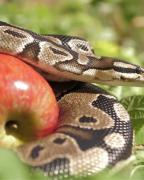
In Parashat Bereshit 3:6, Chava gave Adam HaRishon a fruit from the Tree of Knowledge, and he ate it. It says: "וַתֵּ֣רֶא הָֽאִשָּׁ֡ה כִּ֣י טוֹב֩ הָעֵ֨ץ לְמַאֲכָ֜ל וְכִ֧י תַֽאֲוָה־ה֣וּא לָעֵינַ֗יִם וְנֶחְמָ֤ד הָעֵץ֙ לְהַשְׂכִּ֔יל וַתִּקַּ֥ח מִפִּרְי֖וֹ וַתֹּאכַ֑ל וַתִּתֵּ֧ן גַּם־לְאִישָׁ֛הּ עִמָּ֖הּ וַיֹּאכַֽל׃ - When the woman saw that the tree was good for eating and a delight to the eyes, and that the tree was desirable as a source of wisdom, she took of its fruit and ate. She also gave some to her husband, and he ate."
Per our Oral Torah tradition, the word לְאִישָׁ֛הּ - Le Yisha is translated as to her husband, due to a dagesh in the Hey - a dot in the last letter Hey. But as you know, when the text is written in the Sefer Torah scroll, it has no vowels and no Dagesh in the word לאישה - Le Yisha is written, so this word can also be translated as To a Woman.
So, here goes my question: Is there a connection between the woman in the case of two men fighting and Chava, when she gave the fruit to Adam?
I strongly believe there's one.
When G-d told Adam HaRishon not to eat from the Tree of Knowledge, Adam told his wife not to touch the tree in order to prevent his wife from breaking the word of G-d and from eating the fruit from the Tree of Knowledge. Persuaded by the snake, Chavah ate from the tree and made Adam eat it. But what drove her to do this? Besides the snake, it was her Chutzpah.
A quick search in the dictionary gave the following definition:
Chutzpah:
Utter nerve; haughtiness.
Nearly arrogant courage; utter audacity, supreme self-confidence; exaggerated self-opinion;
(Yiddish) unbelievable gall; insolence; audacity.
For Chavah, Adam's word and the word of G-d - did not mean much, and this led her to listen to the Snake and eat from the Tree.
The same behavior is noticed in the incident of two men fighting. A woman must be loyal to her husband no matter the situation, but this woman, driven by the desire to save her husband, had the Chutzpah to grab her husband's opponent by his private part, thus going against the laws of modesty given by G-d, and did it right there in the presence of her husband.
The Torah continues: "You shall cut off her hand; show no pity." This trait of behavior: Chutzpah was noticed in Chavah and later in the above-mentioned woman, who still carried that same trait.
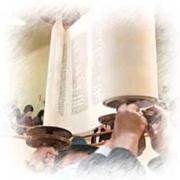
As a remedy, the Torah introduces us to the Holy Scroll.
PS: But this would be a half-baked idea to leave this essay without a finishing touch. So, please allow me to end it, à la my style.
Above, we understand how the atonement of Chavah happens when a similar trait is found in other women; every time a woman portrays a trait similar to Chavah's, Torah tells us what to do and how to fix the situation.
But, how about Adam?
Since, per our Oral Torah tradition, the word לְאִישָׁ֛הּ - Le Yisha found in Parashat Bereshit 3:6 is translated as to her husband, due to a dagesh in the Hey - a dot in the last letter Hey. But in the Torah scroll, this word is לאישה - Le Yisha, translated as To a Woman, and not as To Her Husband.
Hashem doesn't leave these types of clues for no reason. What do we do with this piece of information? I can't keep on ignoring it anymore, and I can't live with: this is the tradition, and this is how we learn it.
If you ask around, what is the Original Sin, or the sin that Adam and Eve are known for, everyone will say that they ate the fruit from the Tree of Knowledge. But if you ask me, Adam took fruit from Chava's hands and ate it, fully knowing it was forbidden, since G-d told him not to eat it; he fell for it without putting up a fight. I believe the Original Sin, or the First Sin this couple should be known for in order of events, is Chava giving the fruit to Adam, and Adam taking and eating it with no resistance on his part.
I have been saying all along about Aher, and how Aher was wronged, and how my opinion on this whole story differs. So, here's another one: Adam HaRishon - how and who has atoned for Adam? By the way, the atonement has already happened!!
Gentlemen, this is HUGE!!
This would be another piece of none: in my opinion, or I believe - I bet everything on it that everyone has missed it, and I know the answer... but I will share it on that day.
Till then, au revoir - goodbye, and thank you for reading some things that bother me.
Shmuel Katanov